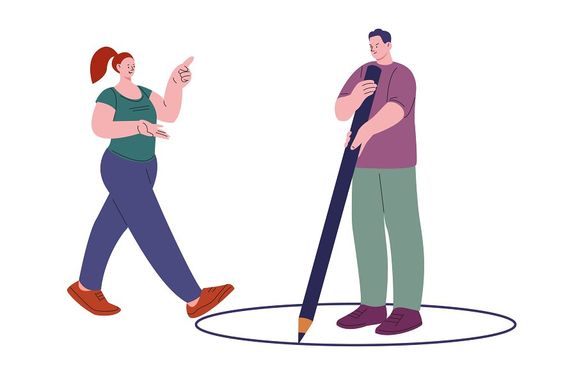
Boundaries are a core part of existing as a human being because without them, it is easy to feel violated a lot. This week, we discuss boundaries and why they are so important in your wellness journey. There are several types of boundaries that you can establish in different areas of your life. Here are some common types of boundaries:
- Physical Boundaries: Physical boundaries involve setting limits on your personal space, touch, and physical contact. They define what you’re comfortable with in terms of physical touch and how close you allow others to get to you.
- Emotional Boundaries: Emotional boundaries relate to your emotions, feelings, and personal experiences. They involve setting limits on how much you share with others, who you share with, and the level of emotional involvement you have with others. Emotional boundaries help protect your emotional well-being and privacy.
- Time Boundaries: Time boundaries involve managing and protecting your time. They include setting limits on how much time you allocate to various activities, commitments, and relationships. Time boundaries help you prioritize and allocate your time effectively to prevent overcommitment and burnout.
- Social Boundaries: Social boundaries pertain to your interactions with others in social settings. They involve setting limits on the type and extent of social interactions you engage in, the environments you feel comfortable in, and the behavior you find acceptable from others.
- Material Boundaries: Material boundaries involve setting limits on your personal belongings, resources, and material possessions. They relate to your willingness to lend or share your belongings and the boundaries you establish around financial matters.
- Intellectual Boundaries: Intellectual boundaries pertain to your thoughts, beliefs, and ideas. They involve setting limits on the discussions and debates you engage in, the types of information you expose yourself to, and the boundaries around sharing or receiving intellectual property.
- Digital Boundaries: With the increasing prevalence of technology, digital boundaries have become important. These boundaries involve setting limits on your use of digital devices, social media platforms, and online interactions. They help you maintain a healthy balance between the virtual world and real-life interactions.
Remember that the specific boundaries you set may vary based on your personal preferences, values, and cultural context. It’s essential to reflect on your needs and comfort levels in each area and establish boundaries that support your general well-being.









Leave a Reply