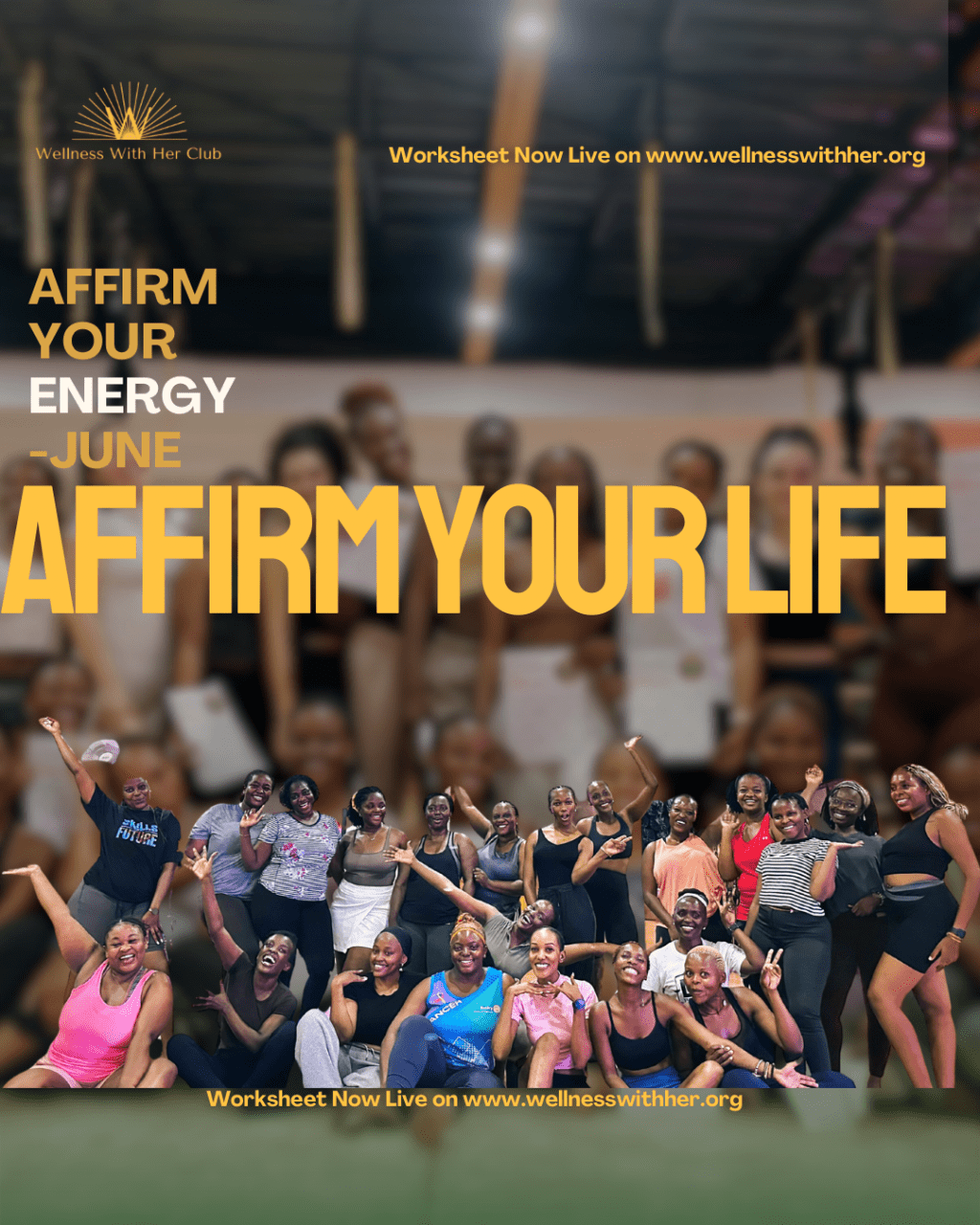
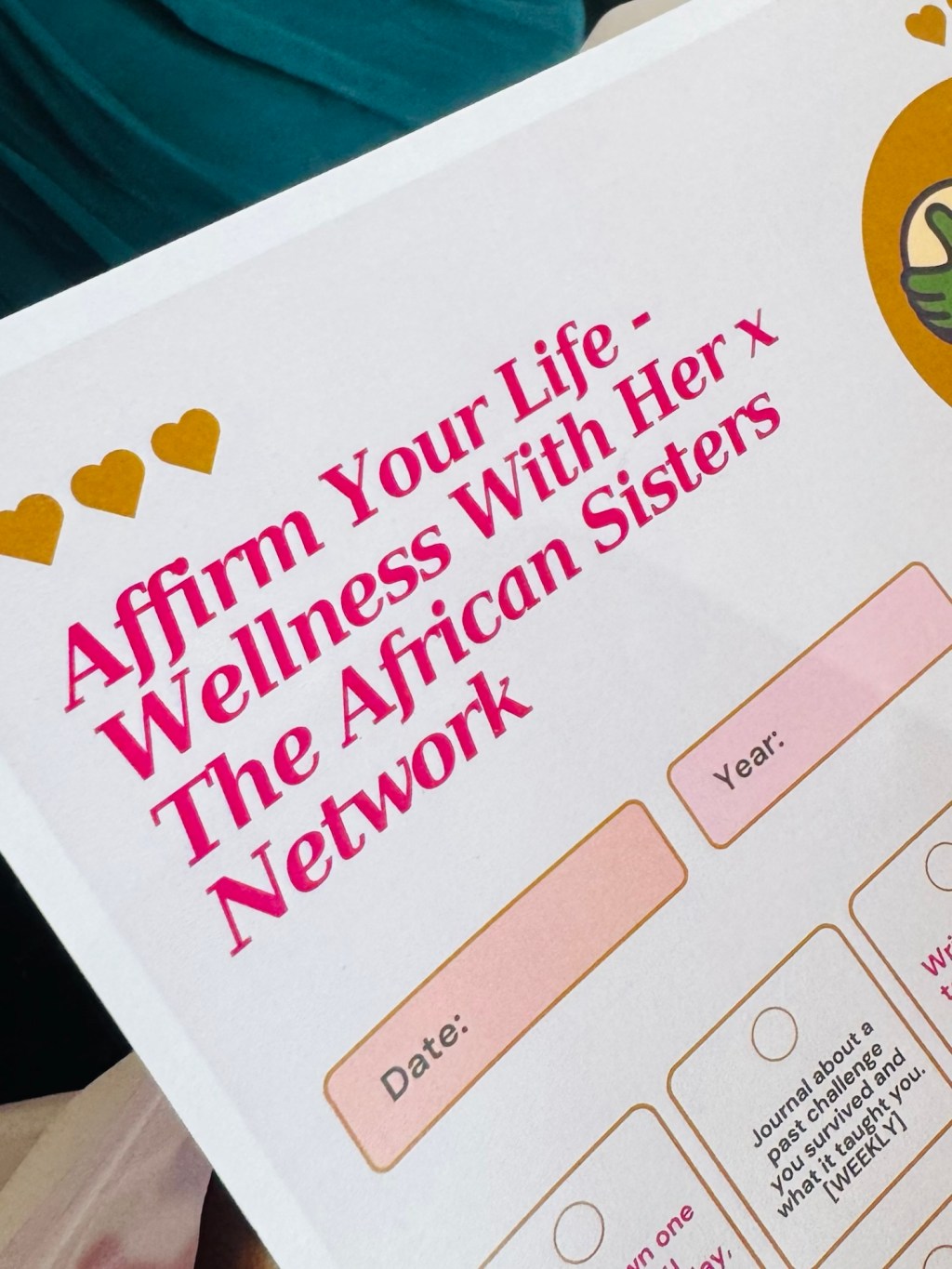
Receive your worksheet right here:
A Closer Look at the Thing We Are Always Running Out Of
We talk about energy constantly.
I don’t have the energy. She has such good energy. The energy in that room was off. I need to protect my energy. My energy is low today.
It has become one of the most used words in the wellness vocabulary; and seemingly one of the least examined. We throw it around as if we all agree on what it means, but if you stopped most people and asked them to define it, they would struggle.
So let us actually look at it. Because understanding what energy is; physically, emotionally, spiritually; changes how we relate to it. And how you relate to your energy might be one of the most important relationships you have.
Energy Is Not a Feeling. It Is a Resource.
The first thing to understand is that energy is not just a mood. It is a real, finite, physical resource your body produces and spends.
At the most basic level, your cells generate energy through a molecule called ATP (adenosine triphosphate.) Your body makes it from the food you eat and the oxygen you breathe, and it powers everything: your heartbeat, your thinking, your movement, your digestion, your immune response. Every single thing you do draws from this supply.
This matters because it means energy is not infinite, and it is not free. When you are depleted, that is not a character flaw or a motivation problem. It is often a literal resource problem. Your body has spent more than it has made.
We treat tiredness as something to push through. But sometimes tiredness is information; your body telling you the account is overdrawn.
The Four Kinds of Energy
Here is something most wellness conversations miss. You do not have one energy. You have several, and they deplete differently and refill differently.
Physical energy is the most obvious; how rested, nourished, and physically capable your body feels. It is restored through sleep, food, hydration, and movement. Yes, movement restores physical energy as often as it spends it. A sedentary body becomes a tired body.
Mental energy is your capacity to focus, decide, and think clearly. This is the energy that runs out by 3pm when you have been making decisions all day. It is depleted by overwhelm, multitasking, and constant input. It is restored by rest, single-tasking, and time away from screens.
Emotional energy is your capacity to feel, relate, and regulate. This is what gets drained by conflict, by holding space for others, by suppressing what you feel. It is restored by connection, expression, and being genuinely seen.
Spiritual energy is the hardest to name but the most important. It is your sense of meaning, purpose, and alignment. When you are doing work that matters to you, surrounded by people who reflect your values, living in a way that feels true; your spiritual energy is high, and it can carry you through physical exhaustion. When you are misaligned, even a well-rested body feels heavy.
Most of us try to fix every kind of tiredness with sleep. But you cannot sleep your way out of spiritual depletion. You cannot nap your way out of emotional exhaustion. Different energies need different medicine.
Why African Cultures Understood Energy Before the ‘Modern’ Science Did
Long before anyone measured ATP, African knowledge systems understood energy as something real, moving, and relational.
The concept of life force; known by different names across the continent; sat at the centre of how many of our ancestors understood the world. Energy was not just personal. It flowed between people, between the living and the ancestors, between the body and the land. To be well was to be in good relationship with that flow. To be unwell was to be blocked, depleted, or out of alignment with it.
This is not superstition dressed up as wisdom. It is a sophisticated, relational understanding of energy that Western science is only now catching up to( through research on co-regulation, on how nervous systems sync between people, on how community and belonging directly affect physical health.
Our people knew that energy was communal. That you could be drained by the wrong company and restored by the right gathering. That food, herbs, the sun and moon restored us. That rhythm, dance, and drum were not entertainment but ways of moving energy through the body and the collective. That the land itself held and gave energy.
We were taught to abandon this knowledge. We are allowed to return to it.
How You Are Probably Leaking Energy Without Noticing
Most people do not have an energy generation problem. They have an energy leak problem.
You are leaking energy when you say yes to things you do not want to do. When you replay conversations on a loop. When you stay in spaces that require you to perform a version of yourself that is not real. When you scroll for an hour and feel worse afterwards. When you carry other people’s emotions as if they were your own. When you never fully rest because you never fully stop.
These leaks are quiet. Individually, none of them seem significant. But together, they drain you in ways that no amount of sleep can replace; because the problem is not that you are not resting. The problem is that you are spending energy faster than you can make it, in places you barely notice.
The first step to protecting your energy is simply seeing where it goes.
Energy Is Not Just Spent. It Is Generated.
Here is the part that changes everything.
Energy is not only something you conserve. It is something you can actively generate.
Certain things put energy into your system rather than taking it out. Movement that feels like joy rather than punishment. Music that moves you. Sunlight on your skin. A real conversation with someone who sees you. Creating something. Being in nature. Laughter. Touch. Rhythm. Rest that is actually restful.
This is why two people can do the exact same amount of work and end up in completely different states. It is not just how much they spent. It is how much they generated alongside the spending.
A life that only spends energy will always run dry, no matter how efficient you become. A life that also generates energy can sustain far more than you would think possible.
The goal is not to do less. The goal is to build a life with more sources of energy flowing into it.
Affirming Your Energy Is a Practice, Not a Personality
This is what Affirm Your Energy is really about.
It is not about becoming a high-energy person overnight. It is not about pretending to be vibrant when you are exhausted. It is about building a daily relationship with your own energy; noticing where it goes, learning what restores it, and deliberately bringing more of those things into your life.
It is about recognising that your energy is sacred. That it is finite. That it deserves protection. And that you are allowed to spend it on what matters to you, rather than letting it leak away into things that do not.
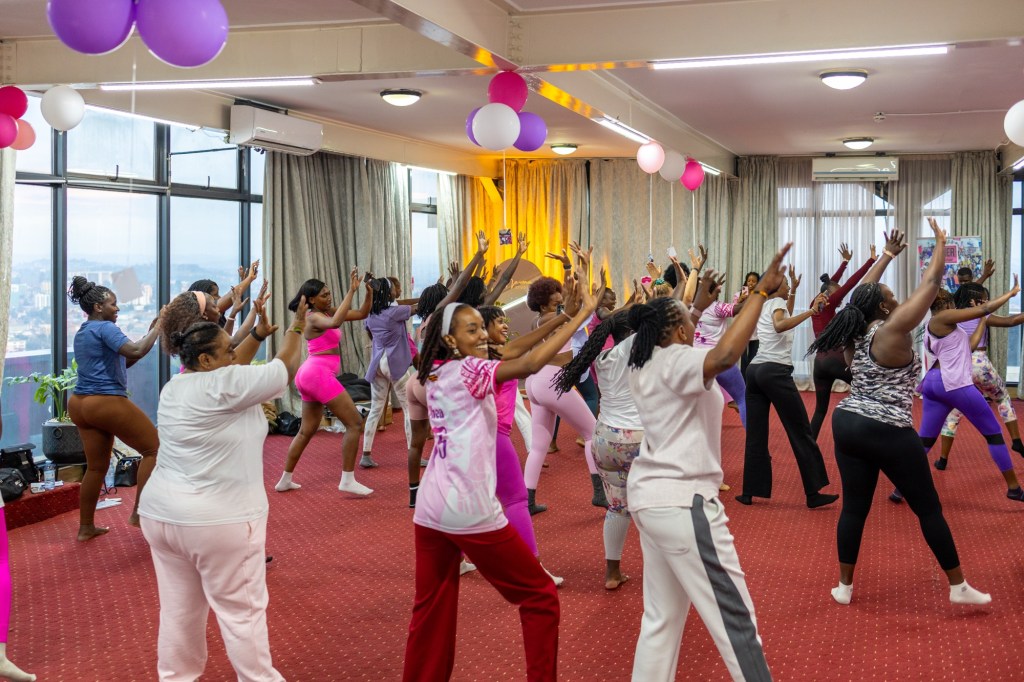
Some days that looks like dancing. Some days it looks like saying no. Some days it looks like sunlight and water and a single deep breath. Some days it looks like rest without guilt.
All of it is the practice. All of it is affirming your energy.
And it begins, like everything real, with paying attention.
This article was written by Wato Movement and Wellness With Her Club as part of our June Affirm Your Energy journey. We believe energy is sacred, communal, and worth protecting; and that wellness begins with the small, daily act of paying attention.
Move with us. @WatoMovement | @wellnesswithherclub



 Wellness With Her Club
Leave a comment