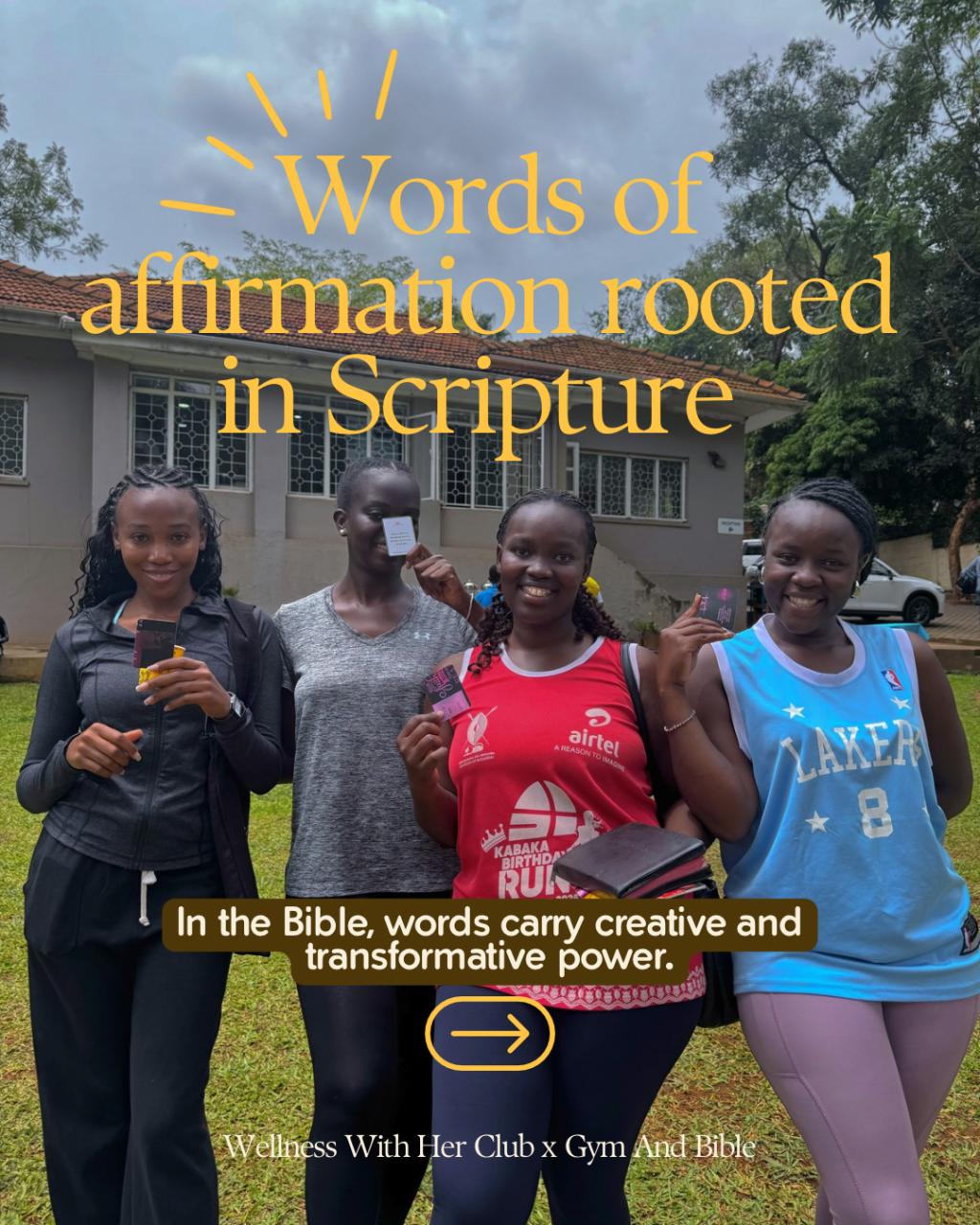
Words are not neutral in the biblical worldview. From the opening lines of Scripture, God speaks creation into existence, establishing that speech carries power, direction, and creative force. Throughout the Bible, words shape identity, reveal intention, correct behaviour, restore hope, and build community. This is why words of affirmation; when grounded in truth; are more than encouragement; they are instruments of faith.
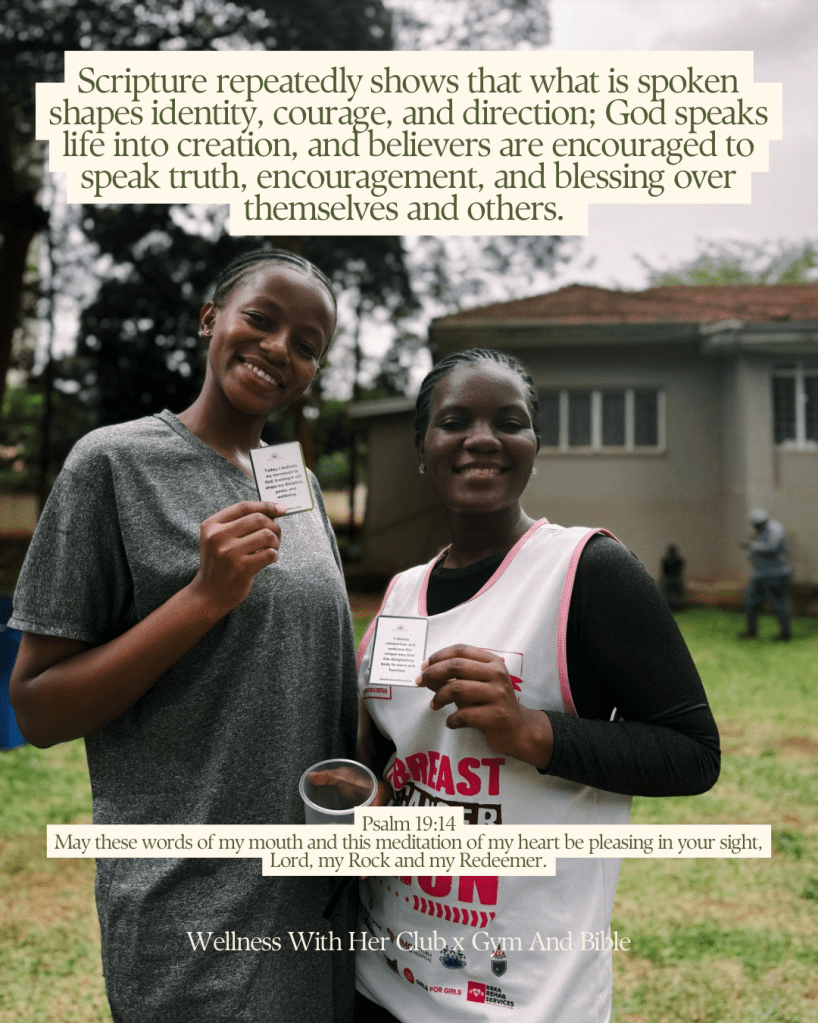
The Power of Words in Scripture
Proverbs declares that “the tongue has the power of life and death,” highlighting the weight of what we say. Words can wound, discourage, and distort identity; but they can also heal, strengthen, and realign. Gracious words are described as “sweet to the soul and healing to the bones,” suggesting that affirmation has tangible impact on emotional and even physical wellbeing.
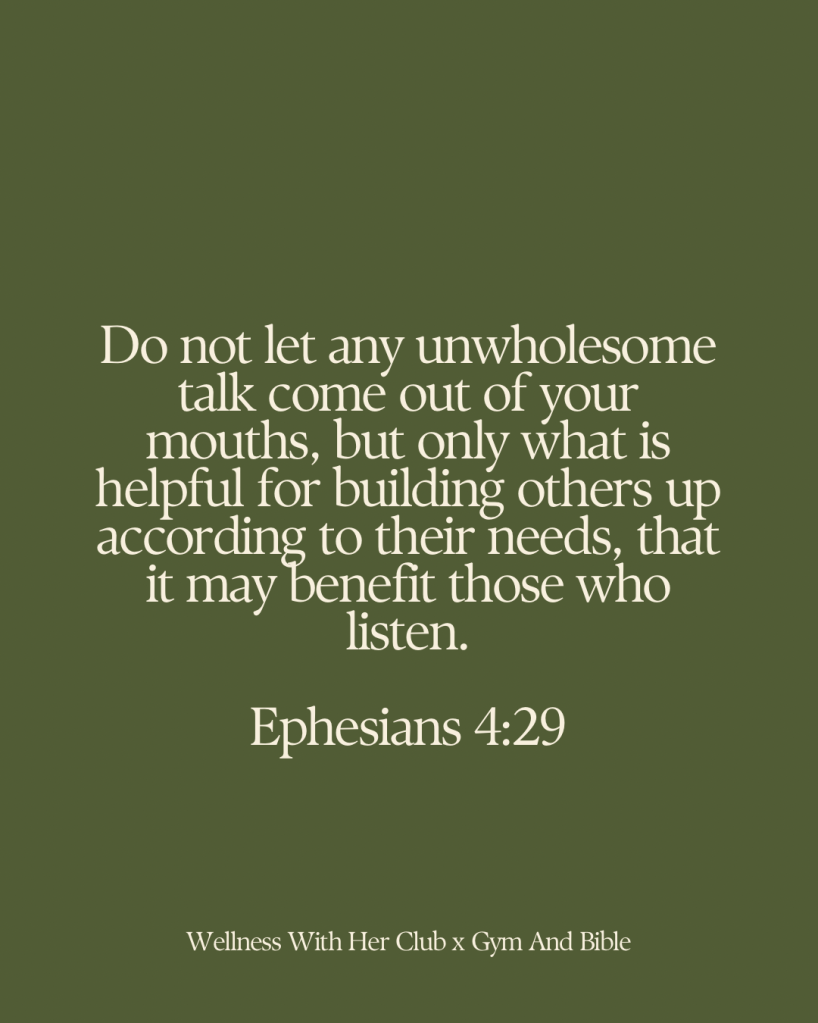
The New Testament continues this emphasis. Believers are instructed to let their speech build others up according to their needs, not merely to fill space. This reveals a key biblical principle: affirmation is intentional. It is not flattery or exaggeration, but speech that aligns with truth and brings benefit.
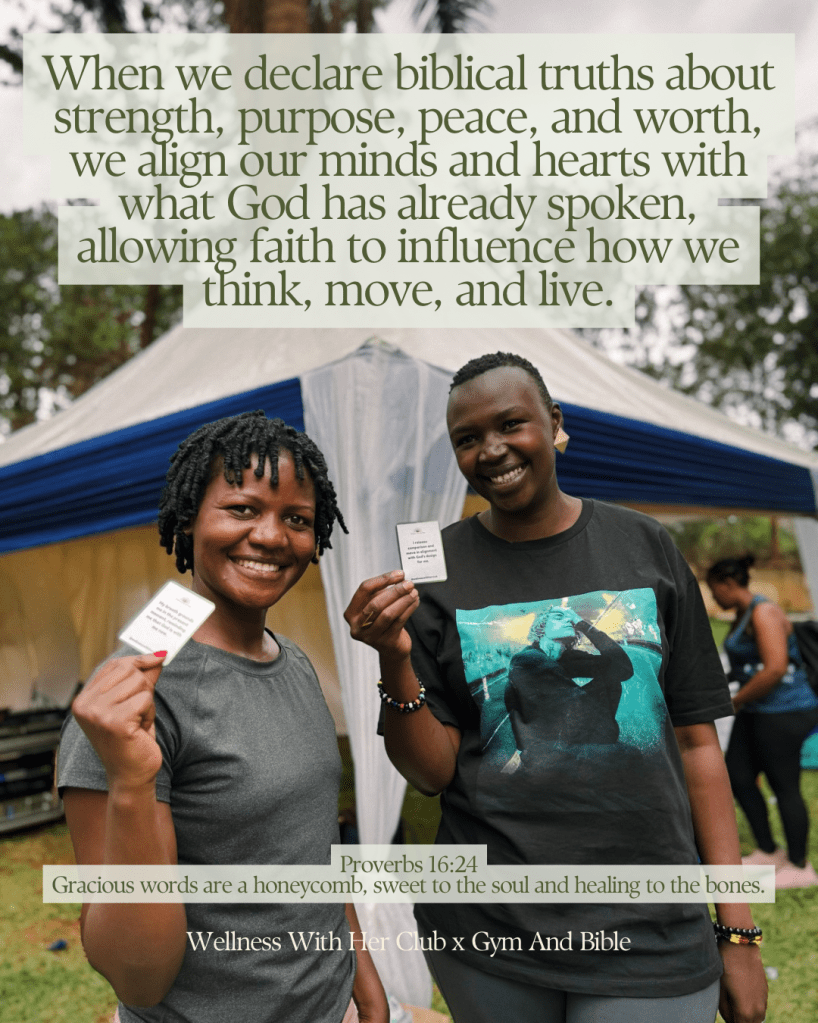
Words as Alignment with Faith
Faith in the Bible is not passive agreement; it is lived conviction. Speaking affirmations rooted in Scripture becomes a way of aligning the mind with what God has already declared. When someone declares, “I am fearfully and wonderfully made,” they are not creating their worth; they are agreeing with God’s description of it. When they say, “The Lord is my strength,” they are choosing trust over fear.
This practice reflects the biblical idea of renewing the mind. Repetition of truth counters internal narratives shaped by doubt, comparison, or insecurity. Words of affirmation grounded in Scripture reinforce identity as beloved, capable, called, and sustained by God.
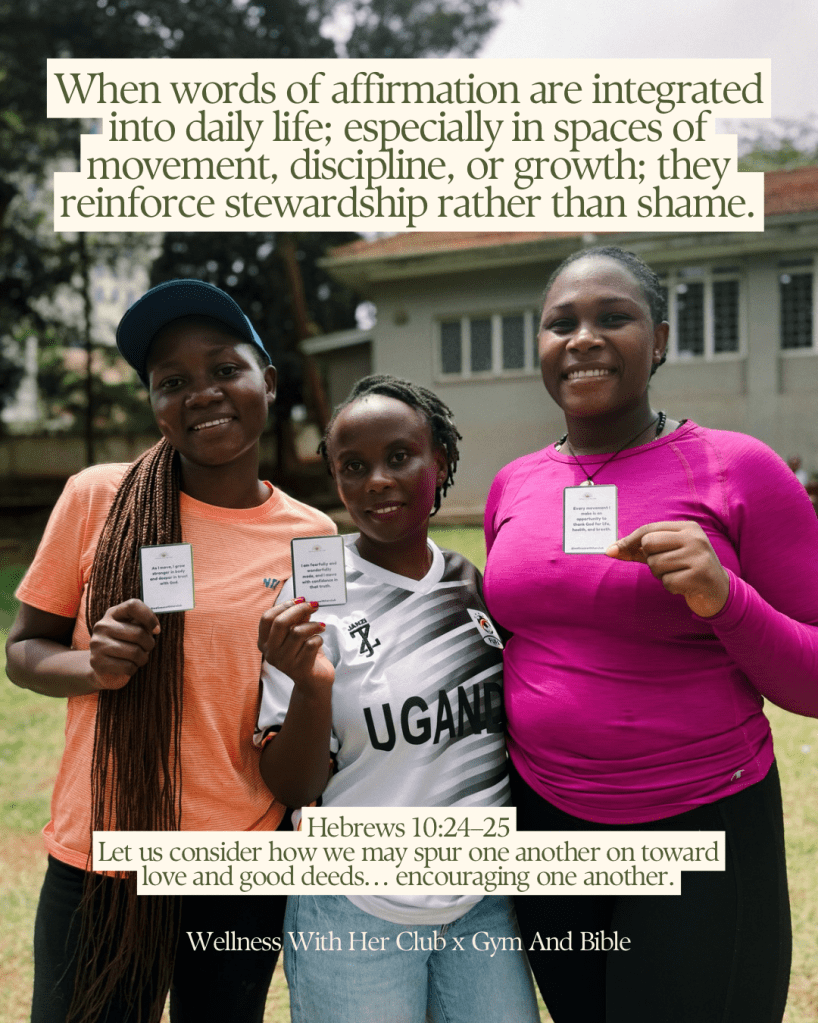
Affirmation and the Body
The Bible affirms that the body is a temple and that believers are to honour God with it. When words of affirmation are integrated into daily life; especially in spaces of movement, discipline, or growth; they reinforce stewardship rather than shame. Instead of criticising the body, one speaks gratitude for its design. Instead of focusing on limitation, one acknowledges God-given resilience and strength.
This integration of faith and affirmation is particularly powerful in communal settings. Group declarations of truth foster unity, reduce isolation, and remind participants that they share a spiritual foundation. Encouraging one another is not optional in Scripture; it is commanded as part of community life.
Guarding Speech with Wisdom
While the Bible affirms positive speech, it also cautions about careless words. James compares the tongue to a small spark capable of igniting great destruction. Jesus teaches that words reflect the condition of the heart. Therefore, biblical affirmation is not detached positivity; it flows from a heart anchored in truth.
This balance matters. Faith-based affirmations are not about denying difficulty or pretending struggle does not exist. They are about choosing to speak hope in the presence of challenge. They acknowledge reality while declaring trust in God’s character and promises.
Living Out Affirmation
In practice, words of affirmation rooted in faith can take many forms:
Personal declarations during prayer or reflection Scriptural recitations during movement or discipline Encouraging words spoken over family, friends, or community Corporate readings that reinforce shared identity
When consistently practiced, these words shape internal dialogue and outward behaviour. They cultivate courage, discipline, and steadiness. They remind believers that their strength is not self-generated, but sustained by God.
Ultimately, words of affirmation in a biblical context are not about self-exaltation; they are about agreement with divine truth. They align speech with faith, identity with Scripture, and daily action with spiritual conviction. Through intentional, grace-filled language, believers participate in the ongoing work of renewal; within themselves and within their communities.






 Wellness With Her Club
Leave a comment