
Let’s take a trip down the ancient memory lane. Drumming, clapping, singing is heard from a group around a fireplace. They are dancing and you can sense an ambience of immense joy and community. Women laugh as they gyrate their lower body moving to the beat and the men keep up with more pronounced feet movement. Across ancient civilizations, waist and hip movement was far more than just dance—it was a sacred practice, deeply woven into rituals, fertility rites, spiritual ceremonies, and healing traditions. From Africa to the Middle East, Asia, the Americas, and the Pacific Islands, cultures recognised the power of the hips as a gateway to life, creation, and energy flow.
Modern science is only now beginning to understand what ancient traditions have long held: that waist movement enhances reproductive health, emotional release, and spiritual well-being. This article explores ancient beliefs about hip movement, the ritualistic and healing practices associated with it, and how these traditions continue to influence modern wellness and dance.
1. Africa: The Sacred Power of the Hips
A Symbol of Life, Fertility & Spiritual Connection
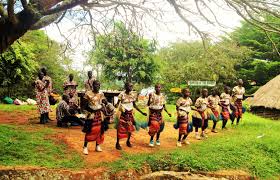
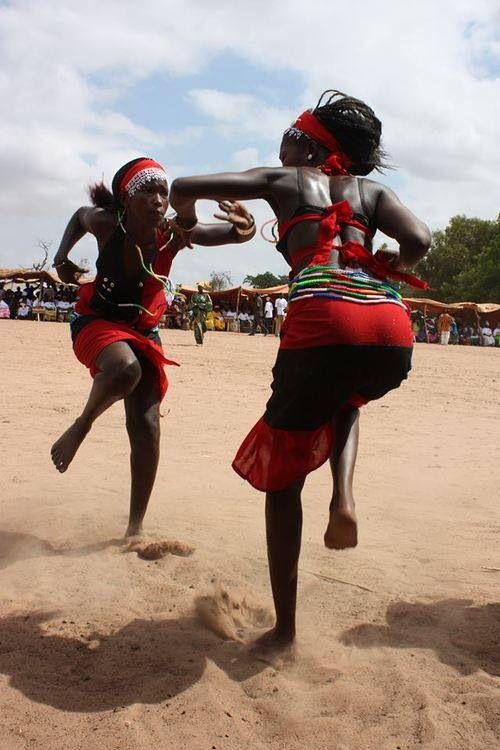
In many African cultures, waist movement was (and still is) a sacred and essential part of life, reflecting fertility, energy, and connection to nature. Women, in particular, engaged in hip-based dances and movements to celebrate womanhood, childbirth, and spirituality.
- Among the Yoruba of Nigeria and Benin, movements of the waist are seen as a manifestation of inner vitality, symbolizing the power of Ọṣun, the goddess of fertility, love, and sensuality.
- In many Bantu traditions, young women perform initiation dances, where hip isolations and circular movements prepared them for adulthood and motherhood.
- In Ugandan and Rwandan traditions, Ekizino (Banyankore-Bakiga dance) and Umushagiriro (Rwandese traditional dance) emphasize waist control and rhythmic hip movements to demonstrate grace, strength, and fertility.
Healing Through Dance & Movement
Waist-focused movements were also used as a form of healing:
- The San people of Southern Africa practice trance dances, where rhythmic hip and body movements induce an altered state of consciousness, believed to heal ailments and connect with the ancestors.
- In West Africa, waist movements are incorporated into healing ceremonies that help people release stored emotions, overcome grief, and reconnect with their community.
2. The Middle East: Belly Dance as a Sacred Feminine Practice
Birth Preparation & Sacred Femininity
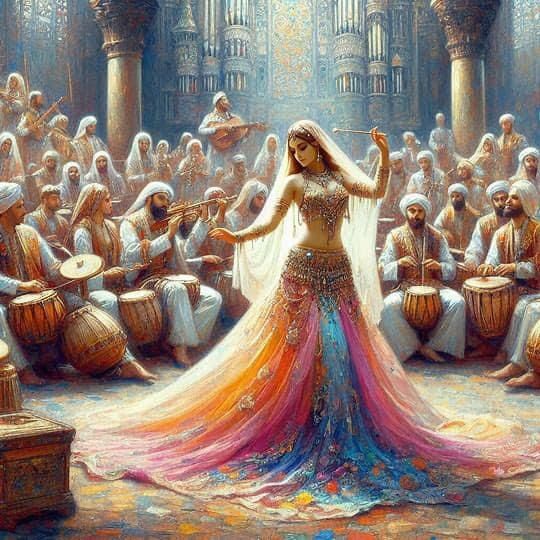
One of the most well-known hip-movement traditions is Raqs Sharqi (belly dance), which has deep roots in ancient Egypt, Mesopotamia, and the Arab world.
- Belly dance was originally performed by women for women, particularly during birth and fertility rituals. The controlled hip rolls, undulations, and figure-eights mimicked the movements of childbirth, helping women prepare for labour by strengthening their core and pelvic floor muscles.
- In ancient Egypt, priestesses of Isis, the goddess of motherhood and magic, performed waist-based dance rituals as prayers for fertility and divine connection.
Protection & Energy Flow
In many Middle Eastern traditions, hip movements were also thought to channel and balance energy:
- The hips were considered a sacred energy centre, much like the sacral chakra in Eastern traditions.
- Women believed that moving the waist freed stagnant energy, allowing them to release stress, awaken pleasure, and restore emotional balance.
Even today, belly dance is used as a therapeutic movement practice to help with menstrual regulation, pelvic pain relief, and emotional healing.
3. Asia: The Spiritual Flow of the Hips
Hinduism & the Dance of Creation
In India, waist movement is deeply embedded in classical dance traditions such as Bharatanatyam, Odissi, and Kathak.
- According to Hindu beliefs, the universe itself was created through divine dance, with Shiva’s cosmic dance (Tandava) and Parvati’s graceful movements symbolizing the balance of destruction and creation.
- Waist movements in Indian dance are not just aesthetic—they represent the fluidity of energy (prana) moving through the body, activating the sacral chakra (Svadhisthana), which governs emotions, creativity, and sexuality.
Waist Movements in Traditional Healing
- In Ayurveda (the Indian system of medicine), hip-based movements were encouraged to support digestive health, improve reproductive function, and regulate menstrual cycles.
- Ancient yogic practices incorporated pelvic rocking and circular movements to open the hips, release stored tension, and improve energy flow.
4. The Americas: Hips as a Portal to the Spirit World
Indigenous Dance & Shamanic Rituals
Among Indigenous tribes of North and South America, waist movement was a powerful tool for connecting to the spirit world.
- The Aztecs and Mayans believed that the hips housed sacred energy, and movements in traditional dances symbolized life cycles, fertility, and transformation.
- In Afro-Brazilian traditions such as Candomblé, waist movements in sacred dances (Orisha dances) were seen as offerings to deities and a way to channel their energy.
Healing Through Waist Movement
In some Indigenous traditions, rhythmic hip and waist movements were used to release negative energy, aiding in:
- Healing trauma and grief
- Aligning the body with natural rhythms
- Preparing women for childbirth
Even today, dances like Samba in Brazil and Afro-Caribbean movements carry the legacy of sacred waist movement traditions, blending spiritual, cultural, and wellness elements.
5. The Pacific Islands: Hula & the Language of the Hips
Hula: Storytelling Through the Waist

In Hawaiian and Polynesian cultures, the hips were considered the centre of feminine power and storytelling.
- Hula dance was more than entertainment—it was a spiritual practice, a prayer, and a form of communication with the gods.
- The figure-eight and rolling movements of the hips were symbolic of ocean waves, the cycles of the moon, and the fertility of the land.

Connection to Nature & Sacred Energy
The Polynesians believed that the hips connected people to the earth and the ancestors:
- Moving the waist in rhythmic patterns was thought to align the body with the universe, bringing peace, fertility, and balance.
- Even today, Hula practitioners use waist movement as a form of meditation and healing, believing it keeps the body and spirit in harmony.
Waist Movement was seen as Ancient Wisdom & assists in Modern Healing
Across the world, ancient cultures recognised the profound impact of waist movement—not just as a dance but as a sacred, healing, and transformative practice. These movements were used to:
✔ Prepare for childbirth and enhance fertility
Wato Movement
✔ Release emotional and spiritual blockages
✔ Strengthen the body and connect with nature
✔ Balance energy, honour the divine, and celebrate life
Today, waist movement is re-emerging as a powerful tool for wellness, blending ancient wisdom with modern science. Whether through dance, yoga, or fitness, moving the waist awakens something deeply primal, healing, and empowering.
✨ Your hips are a portal—move with intention, reclaim your power, and honour the wisdom within. ✨


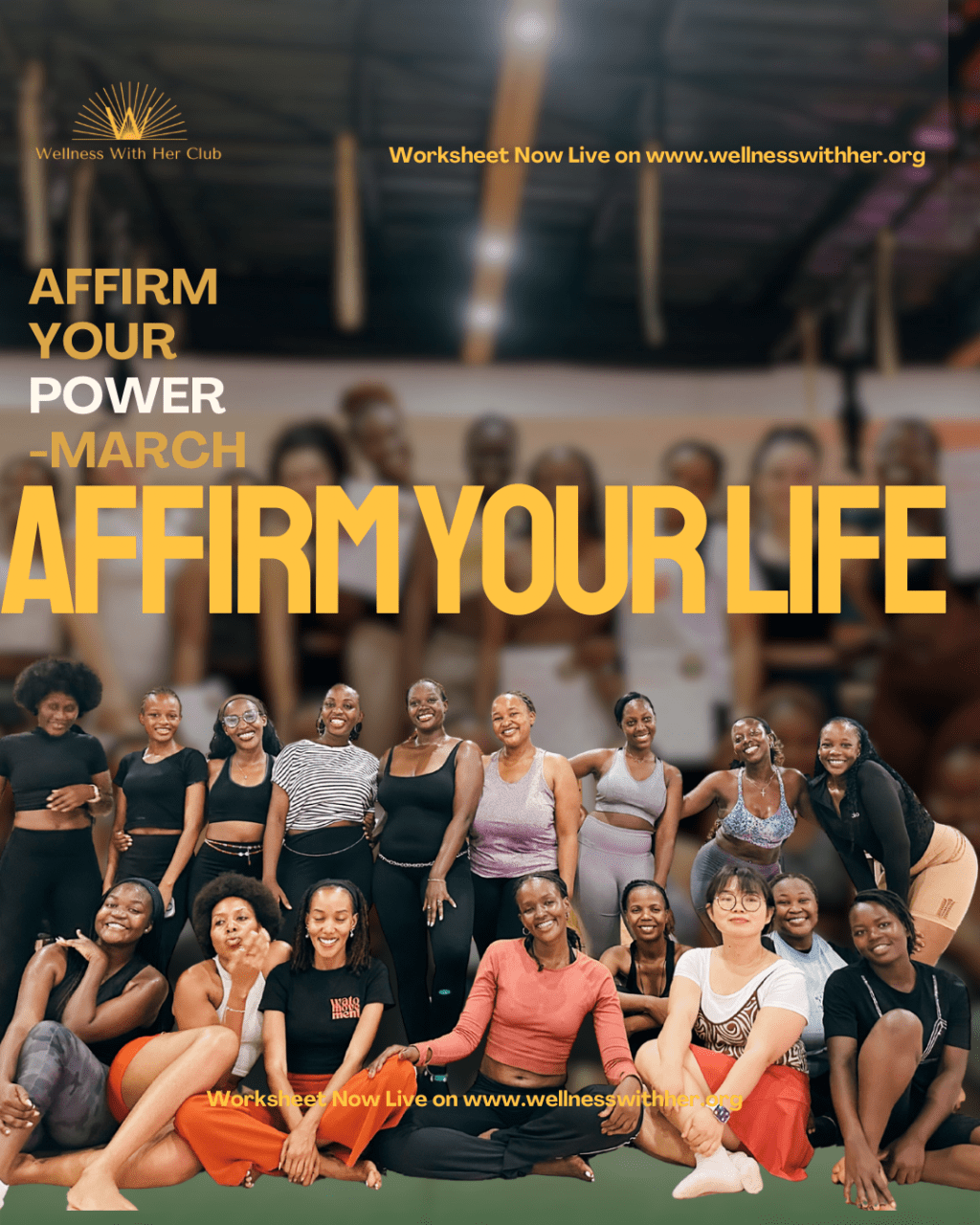
 Wellness With Her Club
Leave a comment