The waist, hips, and pelvic region are central to both physical movement and reproductive health. Movement patterns that engage the core and hips—such as undulations, hip circles, and figure-eights—have been practised for centuries in dance and fitness disciplines. But beyond aesthetics and strength, these movements play a crucial role in sexual and reproductive health.
Modern science is now catching up with what ancient cultures have long known: targeted waist and pelvic movement improves circulation, strengthens essential muscles, regulates hormones, and enhances sexual well-being. This article explores the physiological and neurological impact of waist movement on the reproductive system, menstrual health, and overall well-being.
1. The Pelvic Floor & Core Stability: The Foundation of Reproductive Health
The pelvic floor is a group of muscles, ligaments, and connective tissues that support the uterus, bladder, and intestines. These muscles play a key role in:
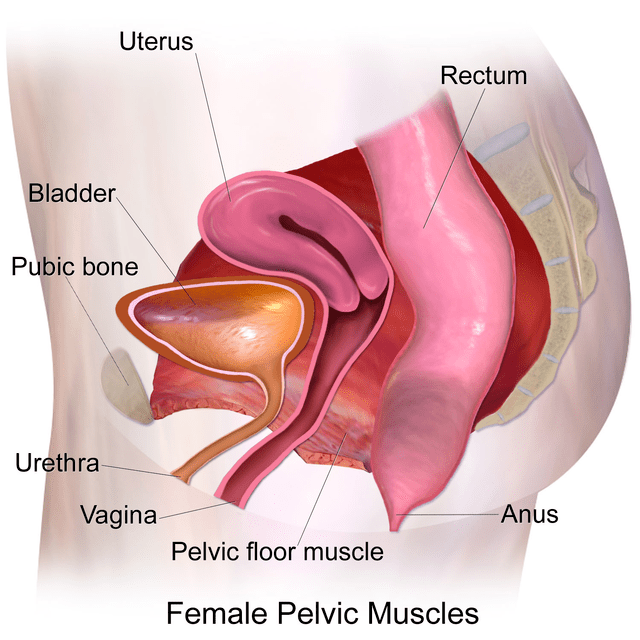
- Bladder and bowel control
- Sexual sensation and orgasmic function
- Supporting the weight of the growing uterus during pregnancy
- Recovery after childbirth
How Waist Movement Strengthens the Pelvic Floor
Hip-focused exercises activate and strengthen the pelvic floor by engaging the deep core muscles, particularly:
- Psoas Major & Iliacus – Key stabilizers that connect the spine to the femur, supporting both movement and organ function.
- Gluteal Muscles – Essential for hip mobility and lower back support.
- Transverse Abdominis – The deepest layer of the core, supporting spinal alignment and pelvic stability.
According to a 2018 study in the Journal of Physical Therapy Science, exercises that engage the pelvic floor and core improve sexual function, reduce urinary incontinence, and prevent pelvic organ prolapse.
Waist movements, such as hip rotations and figure eights, naturally activate these muscles without requiring isolated pelvic floor contractions (like Kegels). This means movement-based practices offer a more functional and holistic way to strengthen the pelvic floor.
2. Increased Blood Flow to the Uterus & Ovaries
Blood circulation is vital for healthy reproductive function, as it delivers oxygen, nutrients, and hormones to the uterus, ovaries, and pelvic organs. Poor circulation can contribute to:
- Painful periods (dysmenorrhea)
- Hormonal imbalances (linked to PCOS, endometriosis, etc.)
- Difficulty conceiving (due to poor ovarian function)
How Waist Movement Boosts Circulation
Engaging the hips through rhythmic motion stimulates blood flow to the lower abdomen, enhancing oxygenation and detoxification of reproductive organs. Research from the American Journal of Obstetrics and Gynecology suggests that increased pelvic blood flow can:
- Reduce menstrual cramps by relaxing uterine muscles.
- Improve hormonal balance by nourishing the ovaries and endocrine glands.
- Enhance fertility by supporting ovarian function and egg health.
Waist-focused movement helps prevent stagnation in the pelvis, which is often associated with conditions like fibroids, endometriosis, and ovarian cysts.
3. Releasing Stored Emotional & Physical Tension
The hips and pelvic region are often referred to as the body’s emotional storage unit. Research in somatic therapy and neuroscience suggests that emotional trauma, stress, and suppressed emotions are stored in the body, particularly in the hips.
Why the Hips Store Emotional Trauma
- The psoas muscle, often called the “muscle of the soul,” connects the spine to the legs and contracts under fight-or-flight stress responses.
- Chronic stress tightens the psoas and pelvic floor, leading to lower back pain, sexual dysfunction, and difficulty experiencing deep relaxation.
- Waist movement releases these stored emotions, allowing for emotional healing and improved pelvic mobility.
A study published in Frontiers in Psychology (2020) supports the idea that movement-based therapies help release trauma stored in the body, promoting both physical relief and emotional well-being.
4. Hormonal Regulation & Menstrual Cycle Health
Hormonal balance is crucial for sexual and reproductive health, influencing:
- Menstrual regularity & pain levels
- Fertility & ovulation
- Mood & libido
How Waist Movement Supports Hormonal Health
Gentle, fluid movements of the waist stimulate the lymphatic system, which plays a crucial role in detoxification and hormone regulation. This is particularly beneficial for individuals with:
- PCOS (Polycystic Ovary Syndrome) – Waist movement may lower insulin resistance and regulate estrogen levels.
- Painful periods & PMS – Hip-focused movement helps reduce uterine contractions and relieve cramps.
- Perimenopause & menopause – Movement promotes hormone production and supports emotional balance.
A 2019 study in the International Journal of Women’s Health found that movement-based practices like dance and yoga improve menstrual symptoms, lower cortisol (stress hormone) levels, and enhance estrogen balance.
5. Enhancing Sexual Well-being & Libido
Sexual function is closely linked to pelvic health, blood circulation, and body awareness. Many women experience reduced sexual sensation or discomfort due to tight pelvic muscles, stress, or hormonal imbalances.
How Waist Movement Enhances Sexual Health
- Increases blood flow to the genitals, improving lubrication and arousal.
- Strengthens the pelvic floor, enhancing orgasm intensity and sensation.
- Releases emotional blocks, helping individuals feel more connected to their bodies and pleasure.
6. Supporting Pregnancy & Postpartum Recovery
For pregnant individuals, waist movement offers a gentle yet effective way to prepare the body for childbirth. Studies show that pelvic mobility exercises:
- Reduce lower back pain during pregnancy.
- Encourage optimal fetal positioning for delivery.
- Strengthen the core and pelvic muscles, making postpartum recovery smoother.
After childbirth, waist movement:
- Helps restore core strength.
- Aids in pelvic floor rehabilitation.
- Supports hormonal rebalance and emotional well-being.
A 2022 study in the Journal of Maternal Health found that pelvic movement-based exercises reduce postpartum pelvic pain and incontinence in over 70% of participants.
Yes, Movement is Medicine for Reproductive Health
The connection between waist movement and sexual reproductive health is deeply rooted in both science and ancestral knowledge. Whether practiced through dance, yoga, or fitness routines, these movements:
✔ Strengthen core & pelvic floor muscles
✔ Improve circulation to reproductive organs
✔ Regulate hormones for menstrual health
✔ Release emotional & physical tension
✔ Enhance sexual function & pleasure
✔ Support pregnancy & postpartum recovery
Incorporating waist movement into our daily routines can lead to profound shifts in well-being, self-awareness, and feminine empowerment.
Our bodies hold wisdom—move with it, trust it, and let it guide you to balance, vitality, and joy.


 Wellness With Her Club
Leave a comment