
Intention is more than just a fleeting thought or a wish; it is the conscious act of setting a direction for your energy and focus. Throughout history, the concept of intention has shaped philosophies, spiritual practices, and self-improvement strategies. But in our modern, often chaotic world, the act of setting intentions has gained new relevance as a tool for personal growth, mindfulness, and fulfilment.
As we continue with our Affirm Her Life – January Wellness Challenge, we understand the need to set these straight.
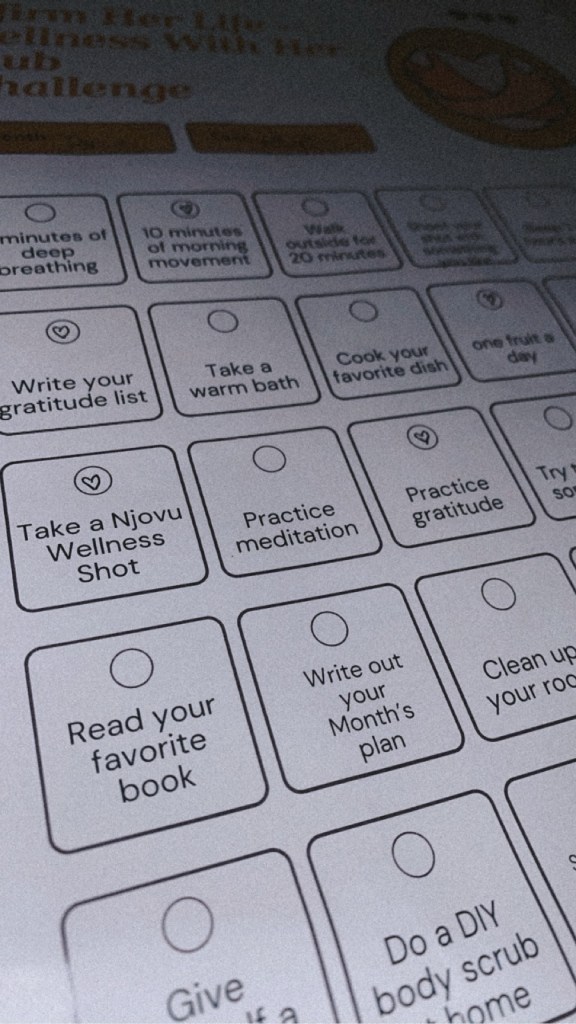
In this article, we’ll explore the origins of intention, its role in shaping our lives, how to set intentions, why they matter, and the challenges that may stand in your way.
The History of Intention
The idea of intention has roots in various cultural, spiritual, and philosophical traditions:
1. Ancient Eastern Philosophies
• In Buddhism and Hinduism, intention (or cetana in Buddhist teachings) is a key component of karma. It emphasises that the motivation behind actions is as important as the actions themselves.
• Yoga, as outlined in the ancient text The Yoga Sutras of Patanjali, incorporates intention through sankalpa, a practice of creating a positive resolve or purpose before starting any practice or activity.
2. Western Philosophy
• Aristotle explored the concept of intention as part of ethical decision-making. He believed that understanding one’s motives was essential to living a virtuous life.
• In modern philosophy, intention is studied in relation to free will and human agency. It is seen as the driving force behind actions and decisions.
Acknowledging the Role of Intentions
Intention acts as a bridge between thought and action. It’s not just about what you do but why you do it.
1. Self-Awareness
Acknowledging your intentions requires deep introspection. Ask yourself:
• What drives my choices?
• Are my actions aligned with my values and goals?
2. The Energy of Intention
Intentions carry energy. Setting clear, positive intentions focuses your energy on growth and progress, while unclear or negative intentions can scatter your efforts.
3. Intention vs. Goal
While goals are about achieving specific outcomes, intentions are broader and more internal. For example:
• Goal: Lose 10 pounds.
• Intention: Cultivate a healthy relationship with my body.
How to Set Intentions
Setting intentions is a powerful practice that requires clarity and mindfulness. Here’s a step-by-step guide:
1. Reflect and Clarify
• Take time to reflect on what truly matters to you.
• Write down your values, aspirations, and the kind of person you want to become.
2. Start with Gratitude
Ground yourself in the present moment by acknowledging what you already have. Gratitude creates a positive mindset for setting intentions.
3. Be Specific and Positive
• Avoid vague intentions like “I want to be happy.” Instead, try: “I intend to focus on things that bring me joy and peace.”
• Frame your intentions in the positive. Instead of “I don’t want to fail,” say, “I intend to approach challenges with confidence.”
4. Visualise Your Intentions
• Close your eyes and imagine how it feels to live in alignment with your intention.
• Visualisation helps your brain focus on possibilities rather than obstacles.
5. Use Affirmations
Affirmations are short, positive statements that reinforce your intentions. For example:
• “I am deserving of love and abundance.”
• “I am capable of achieving my dreams.”
Why Intentions Matter
Intentions are the foundation of a meaningful and purposeful life. Here’s why they’re essential:
1. They Provide Direction
Intentions act as a compass, guiding your choices and actions toward your desired outcomes.
2. They Enhance Mindfulness
When you live with intention, you’re more present in your daily life, making conscious decisions rather than acting on autopilot.
3. They Align You with Your Values
Intentions help you prioritise what truly matters, ensuring your actions reflect your core beliefs.
4. They Build Resilience
Even when you face setbacks, your intentions remind you of the bigger picture, helping you stay motivated.
Challenges to Setting and Living by Intentions
Despite their power, intentions can be undermined by various obstacles:
1. Lack of Clarity
If your intentions are vague or conflicting, it’s hard to stay focused. Take time to articulate your desires clearly.
2. External Pressures
Societal expectations, peer pressure, and cultural norms can pull you away from your authentic intentions.
3. Fear and Doubt
Self-doubt and fear of failure can make it hard to trust your intentions. Practice self-compassion and remind yourself of your worth.
4. Inconsistency
Living with intention requires consistency. Without regular reflection and action, your intentions may lose their power.
5. Over attachment to Outcomes
If you focus too much on achieving specific results, you may feel disappointed. Remember, intentions are about the journey, not just the destination.
Incorporating Intentions into Daily Life
To make intention-setting a regular part of your life, try these practices:
1. Morning Rituals: Start each day by setting a small intention, such as “I intend to approach today with curiosity.”
2. Journaling: Reflect on your intentions and progress regularly in a journal.
3. Mindfulness Practices: Use meditation, yoga, or breathing exercises to reconnect with your intentions.
4. Accountability: Share your intentions with a trusted friend or mentor who can support your journey.
5. Evening Reflection: End your day by reviewing how you lived in alignment with your intentions.
Intention is the seed from which growth, fulfilment, and purpose bloom. By understanding its roots, cultivating it with mindfulness, and nurturing it through daily practices, you can create a life aligned with your deepest values and aspirations.
Remember, intention is not about perfection—it’s about presence. Acknowledge your journey, set your intentions with clarity and love, and watch as they shape not just your actions but the very essence of who you are.







 Wellness With Her Club
Leave a comment