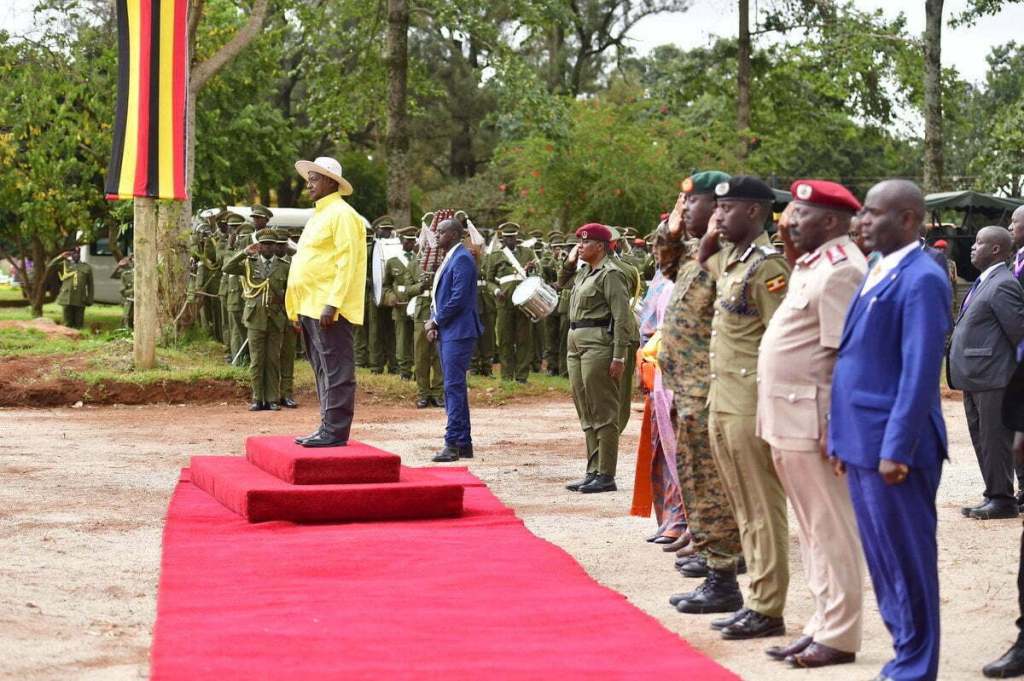
Uganda Heroes’ Day, also known as National Heroes’ Day, is a public holiday in Uganda that is observed annually on June 9th. It is a day dedicated to honoring and celebrating the heroes and heroines who have made significant contributions to the country’s development, independence, and the well-being of its citizens.
The holiday was established to recognize the individuals who have played crucial roles in shaping the history and progress of Uganda. These heroes and heroines include political leaders, freedom fighters, military personnel, social activists, and other individuals who have made outstanding contributions to the nation.
On Uganda Heroes’ Day, various events and ceremonies are held across the country to pay tribute to these individuals. The day often begins with an official national ceremony attended by government officials, military personnel, and members of the public. The ceremony typically includes speeches, cultural performances, and the laying of wreaths at national monuments or grave sites of notable heroes.
In addition to the national ceremony, local communities and organizations organize their own events to honor local heroes and celebrate their contributions. These events may include parades, cultural displays, exhibitions, community service activities, and discussions about the importance of heroism and patriotism.
There are numerous notable individuals in Ugandan history who are considered heroes for their significant contributions to the country. Here are a few examples:
- Yoweri Kaguta Museveni: Yoweri Museveni is the current President of Uganda, who came to power in 1986. He is recognized as a hero for his role in leading the National Resistance Army (NRA) during the Ugandan Bush War, which helped to overthrow dictatorial regimes and bring stability to the country.
- Mutesa I of Buganda: King Mutesa I was the Kabaka (king) of Buganda from 1856 to 1884. He is considered a hero for his resistance against British colonial rule and efforts to preserve Buganda’s autonomy and culture.
- Benedicto Kiwanuka: Benedicto Kiwanuka was a prominent political leader and the first Prime Minister of Uganda. He played a significant role in Uganda’s struggle for independence from British colonial rule and is remembered as a champion of democracy and human rights.
- Archbishop Janani Luwum: Janani Luwum was the Archbishop of the Church of Uganda from 1974 until his death in 1977. He courageously spoke out against the human rights abuses and political repression under President Idi Amin’s regime, which ultimately led to his martyrdom. He is revered as a symbol of moral courage and resistance.
- Kizza Besigye: Kizza Besigye is a physician and politician known for his opposition to President Museveni’s government. He has been involved in multiple presidential elections and is regarded by many as a hero for his advocacy of democratic principles and his efforts to promote political change and accountability.
These are just a few examples of Ugandan heroes who have played significant roles in shaping the nation’s history and development. Uganda has a rich tapestry of individuals from various fields, including politics, activism, arts, and culture, who have made valuable contributions to the country’s progress and inspired generations.
Uganda Heroes’ Day serves as an opportunity for Ugandans to reflect on their history, acknowledge the sacrifices made by past heroes, and inspire future generations to continue working for the betterment of the nation. It is a day of national pride, unity, and gratitude for the individuals who have dedicated their lives to the progress and prosperity of Uganda.





 Wellness With Her Club
Leave a comment