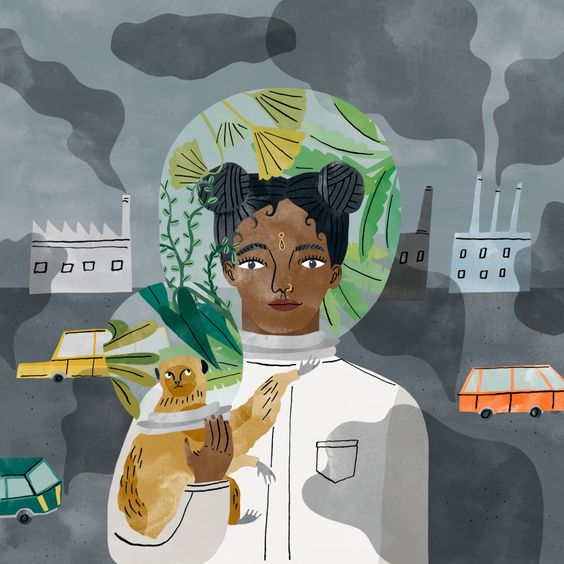
Uganda, like many other developing countries, faces air pollution challenges, particularly in urban areas. The main sources of air pollution in Uganda include industrial emissions, vehicle exhaust, household cooking and heating with solid fuels (such as wood and charcoal), and open burning of waste.
Kampala, the capital city of Uganda, experiences high levels of air pollution due to heavy traffic congestion and the presence of industries. The pollutants of concern in Kampala include particulate matter (PM), nitrogen dioxide (NO2), sulfur dioxide (SO2), and carbon monoxide (CO). These pollutants can have adverse effects on human health and the environment.
Indoor air pollution is also a significant concern in Uganda, especially in rural areas, where many households rely on traditional biomass fuels for cooking and heating. The use of inefficient stoves and open fires leads to the release of harmful smoke and pollutants indoors, contributing to respiratory illnesses and other health issues.
It’s important to note that air pollution levels can vary across different regions and can be influenced by factors such as industrial activities, transportation patterns, population density, and geographical conditions. In the bustling urban centres and serene rural landscapes of Uganda, the importance of fresh air cannot be overstated. The quality of air Ugandans breathe directly impacts their overall well-being. As the country strives for progress and development, understanding why fresh air is crucial to the health and happiness of its people becomes imperative.
- Combating Air Pollution: Uganda, like many developing nations, faces air pollution challenges. Fresh air plays a vital role in mitigating these issues. By seeking cleaner sources of energy and reducing industrial emissions, Ugandans can improve air quality and safeguard their well-being. Breathing in fresh air is a powerful countermeasure against the harmful effects of pollutants on respiratory health.
- Boosting Physical Health: Fresh air is an elixir for the body. In a nation where outdoor activities are prevalent, breathing in clean air during exercise invigorates and supports physical health. Oxygen-rich fresh air aids in proper lung function, boosts cardiovascular health, and enhances overall stamina and vitality. By embracing the benefits of fresh air, Ugandans can improve their physical well-being.
- Enhancing Mental Well-being: The impact of fresh air on mental health is equally significant. Amidst the hustle and bustle of daily life, Ugandans can find solace and tranquility in the embrace of fresh air. Exposure to natural environments and the release of serotonin triggered by fresh air intake contribute to reduced stress, anxiety, and depression. Spending time outdoors in parks, gardens, or natural landscapes allows individuals to rejuvenate their mental faculties and find balance.
- Connection with Nature: Uganda’s diverse landscapes offer ample opportunities for its citizens to connect with nature. Fresh air acts as a conduit, facilitating this connection. From the breathtaking savannahs to the majestic lakes and lush forests, the beauty of Uganda’s natural wonders can inspire a sense of awe and peace. By immersing themselves in these environments and inhaling fresh air, Ugandans can foster a deeper bond with nature, nurturing their well-being and promoting a sustainable mindset.
- Strengthening Immunity: Fresh air contributes to building a robust immune system. Through exposure to diverse microorganisms and increased oxygen levels, Ugandans can fortify their bodies’ defenses against illnesses and infections. The purity of fresh air aids in detoxification, promoting healthy respiratory systems and reducing the risk of respiratory ailments. Inhaling clean air becomes a shield of protection for Ugandans on their journey towards optimal health.
Fresh air holds immense importance in the well-being of Ugandans. Its impact stretches from physical health to mental tranquillity and environmental consciousness. By acknowledging the significance of clean air and actively working towards reducing air pollution, Uganda can secure a healthier and more prosperous future for its people. Breathing in the fresh air of Uganda’s natural landscapes, whether in bustling urban centres or rural communities, is a powerful step towards a brighter and more vibrant nation.






 Wellness With Her Club
Leave a comment