Uganda Martyrs Day, also known as Uganda Martyrs’ Feast Day or Uganda Martyrs’ Day, is a significant religious observance in Uganda that commemorates the lives and sacrifices of the Ugandan Martyrs. It is celebrated annually on June 3rd.
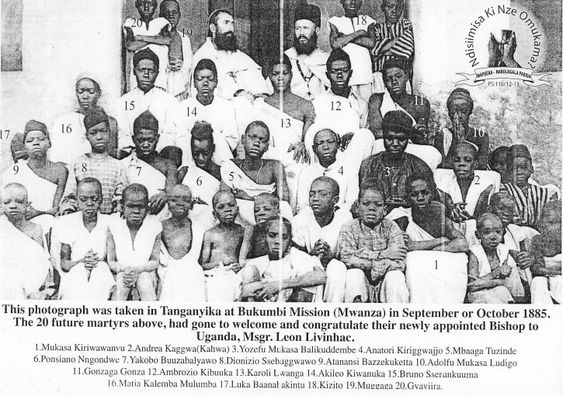
The Uganda Martyrs were a group of 23 Catholic and 22 Anglican converts to Christianity who were martyred between 1885 and 1887. During the reign of King Mwanga II, they faced persecution and death for their refusal to renounce their faith and participate in immoral practices imposed by the king. Their steadfast commitment to their religious beliefs, even in the face of extreme adversity, has made them revered figures in Uganda and around the world.
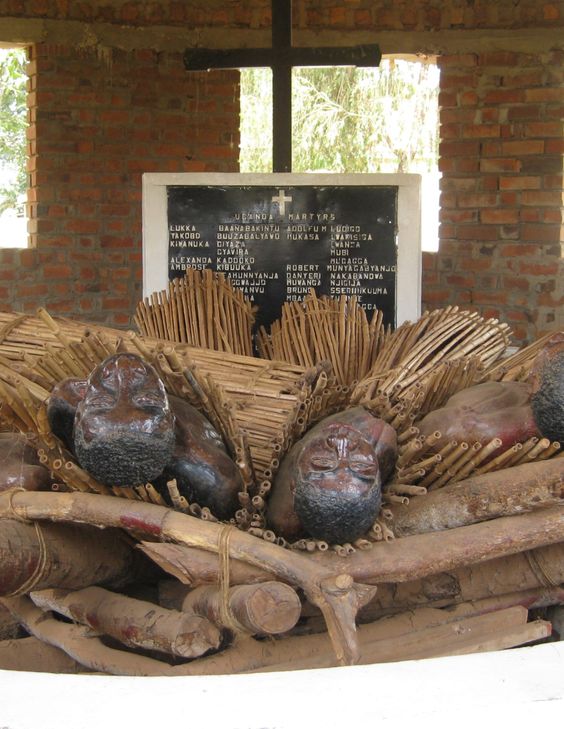
Uganda Martyrs Day holds great significance for the Christian community in Uganda. It serves as a time of remembrance, reflection, and inspiration. Devotees, both Catholic and Anglican, gather in large numbers at the Namugongo Martyrs Shrine, located just outside the capital city of Kampala. The shrine is built on the very spot where several of the martyrs were burned to death.
The day begins with a solemn pilgrimage to the shrine, with believers traveling on foot from various parts of Uganda and neighboring countries. It is not uncommon for pilgrims to walk long distances, enduring physical hardships as a symbol of their devotion and commitment to their faith.
Upon reaching the shrine, prayers, sermons, and hymns are held to honor the martyrs’ sacrifice and to celebrate their legacy. The atmosphere is one of reverence, gratitude, and deep spirituality. Many believers also use this occasion to seek spiritual blessings, healing, and renewal.
Uganda Martyrs Day is not only a religious observance but also a cultural and national event. It attracts both local and international visitors who come to witness and participate in the commemorative ceremonies. The day is marked by vibrant cultural performances, traditional music, dances, and displays of Ugandan heritage. It provides an opportunity for people to come together, share their faith, and celebrate the rich religious and cultural diversity of Uganda.
Beyond the religious significance, Uganda Martyrs Day has also been recognized for its role in promoting peace, unity, and reconciliation among different religious groups in Uganda. It serves as a reminder of the importance of religious tolerance and the power of faith to inspire people to live virtuous lives.
Martyrs Day holds significant relevance to spiritual wellness as it commemorates the lives of individuals who made the ultimate sacrifice for their religious beliefs. Here are some ways in which Martyrs Day relates to spiritual wellness:
- Inspiring Commitment to Faith: The martyrs’ unwavering commitment to their faith, even in the face of persecution and death, serves as a powerful inspiration for individuals seeking to deepen their spiritual journey. Their stories highlight the importance of staying true to one’s beliefs and values, even in challenging circumstances.
- Strengthening Faith and Resilience: Commemorating the martyrs’ sacrifice can reinforce individuals’ faith and resilience. It reminds them that they are not alone in their spiritual journey and that others have faced adversity in the pursuit of their beliefs. This recognition can provide strength, encouragement, and a sense of purpose in navigating their own spiritual challenges.
- Cultivating Perseverance: Martyrs Day reminds individuals that spiritual growth often requires perseverance. The martyrs’ willingness to endure persecution and even sacrifice their lives for their faith encourages individuals to stay steadfast in their own spiritual practices, despite obstacles or opposition they may encounter.
- Reflecting on Sacrifice and Gratitude: Martyrs Day invites individuals to reflect on the sacrifices made by the martyrs and express gratitude for their courage and dedication. This reflection fosters a deeper appreciation for the freedoms and opportunities to practice one’s faith without persecution. It encourages individuals to value and cherish their spiritual well-being.
- Promoting Religious Tolerance and Unity: The commemoration of the martyrs’ sacrifice can serve as a reminder of the importance of religious tolerance and respect for diverse beliefs. It encourages individuals to foster understanding and empathy for others’ spiritual paths, promoting unity and harmony among different religious communities.
- Encouraging Spiritual Reflection and Renewal: Martyrs Day provides an opportunity for individuals to engage in introspection, prayer, and meditation. It encourages self-reflection on the meaning and significance of one’s own faith and spirituality. This reflection can lead to personal growth, renewed purpose, and a deeper connection with one’s spiritual beliefs and practices.
- Building a Sense of Community: Martyrs Day brings people together, fostering a sense of community and shared values. It provides an occasion for individuals to connect with like-minded individuals, share stories and experiences, and offer support to one another on their spiritual journeys. This sense of community can contribute to spiritual wellness by providing a supportive network and a sense of belonging.
Martyrs Day holds relevance to spiritual wellness by inspiring commitment to faith, strengthening resilience, promoting perseverance, fostering gratitude, encouraging religious tolerance, facilitating spiritual reflection and renewal, and building a sense of community. It serves as a reminder of the power of faith, the sacrifices made for religious beliefs, and the significance of spiritual well-being in individuals’ lives.
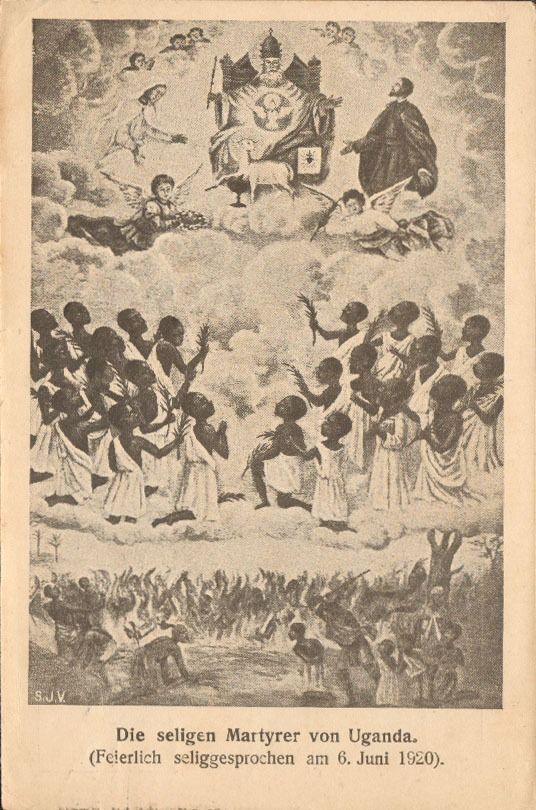
It is an annual religious observance that honours the courage, faith, and sacrifice of the Ugandan Martyrs. It brings together people from different walks of life to commemorate their legacy, celebrate their devotion, and seek spiritual blessings. It is a day of deep significance for the Christian community in Uganda and serves as a reminder of the enduring power of faith, even in the face of persecution.







 Wellness With Her Club
Leave a comment