
Gratitude is a powerful and transformative mindset that involves acknowledging and appreciating the positive aspects of life. It is the practice of recognizing and expressing gratitude for the blessings, experiences, and people that contribute to our well-being and happiness. Here are some key aspects and benefits of gratitude:
- Shift in Perspective: Gratitude allows us to shift our focus from what is lacking in our lives to what we already have. It helps us see the abundance and goodness that surrounds us, even in challenging times. By adopting a perspective of gratitude, we cultivate a positive and optimistic outlook on life.
- Increased Happiness: Practicing gratitude has been linked to increased levels of happiness and life satisfaction. When we consciously recognize and appreciate the positive aspects of our lives, it uplifts our mood, enhances our overall sense of well-being, and promotes a positive mindset.
- Improved Mental Health: Gratitude has numerous mental health benefits. It can reduce symptoms of depression, anxiety, and stress. By focusing on what we are grateful for, we shift our attention away from negative thoughts and worries, promoting a more balanced and resilient mental state.
- Strengthened Relationships: Expressing gratitude towards others strengthens our relationships and deepens our connections. When we show appreciation and gratitude for the people in our lives, it fosters a sense of mutual respect, trust, and warmth. Gratitude nurtures positive interpersonal dynamics and can help build and maintain strong, meaningful relationships.
- Increased Resilience: Gratitude cultivates resilience by helping us focus on the positives rather than dwelling on the negatives. It encourages us to find silver linings, lessons, and growth opportunities in challenging situations. Grateful individuals tend to be more resilient and better equipped to cope with adversity.
- Enhanced Self-Reflection: Gratitude promotes self-reflection and self-awareness. It encourages us to examine our values, priorities, and the impact of our actions on others. By practicing gratitude, we gain a deeper understanding of ourselves, our relationships, and the interconnectedness of our lives.
- Acts of Kindness: Gratitude often inspires acts of kindness and generosity. When we feel grateful, we are more likely to extend kindness to others and engage in prosocial behaviors. This cycle of gratitude and kindness creates a positive ripple effect, contributing to a more compassionate and harmonious society.
- Improved Physical Health: Gratitude has been linked to better physical health outcomes. Studies suggest that grateful individuals may experience improved sleep, reduced blood pressure, enhanced immune system function, and a lower risk of developing certain illnesses.
- Mindfulness and Presence: Gratitude encourages us to be present and mindful in the current moment. It invites us to slow down, savor the little joys in life, and fully experience the present rather than constantly striving for the future. By practicing gratitude, we cultivate a deeper sense of contentment and appreciation for the present moment.
- Cultivation of Joy and Contentment: Gratitude allows us to experience and savor the joy and contentment that already exists within our lives. It helps us recognize and celebrate even the small blessings and simple pleasures. Gratitude fuels a sense of fulfillment, reminding us that happiness can be found in the present moment.
Incorporating gratitude into our daily lives can be done through practices such as keeping a gratitude journal, expressing appreciation to others, reflecting on blessings before sleep or upon waking, or simply taking a moment to pause and appreciate the beauty around us. By cultivating an attitude of gratitude, we can transform our perspective, enhance our well-being, and live more joyfully and appreciatively.





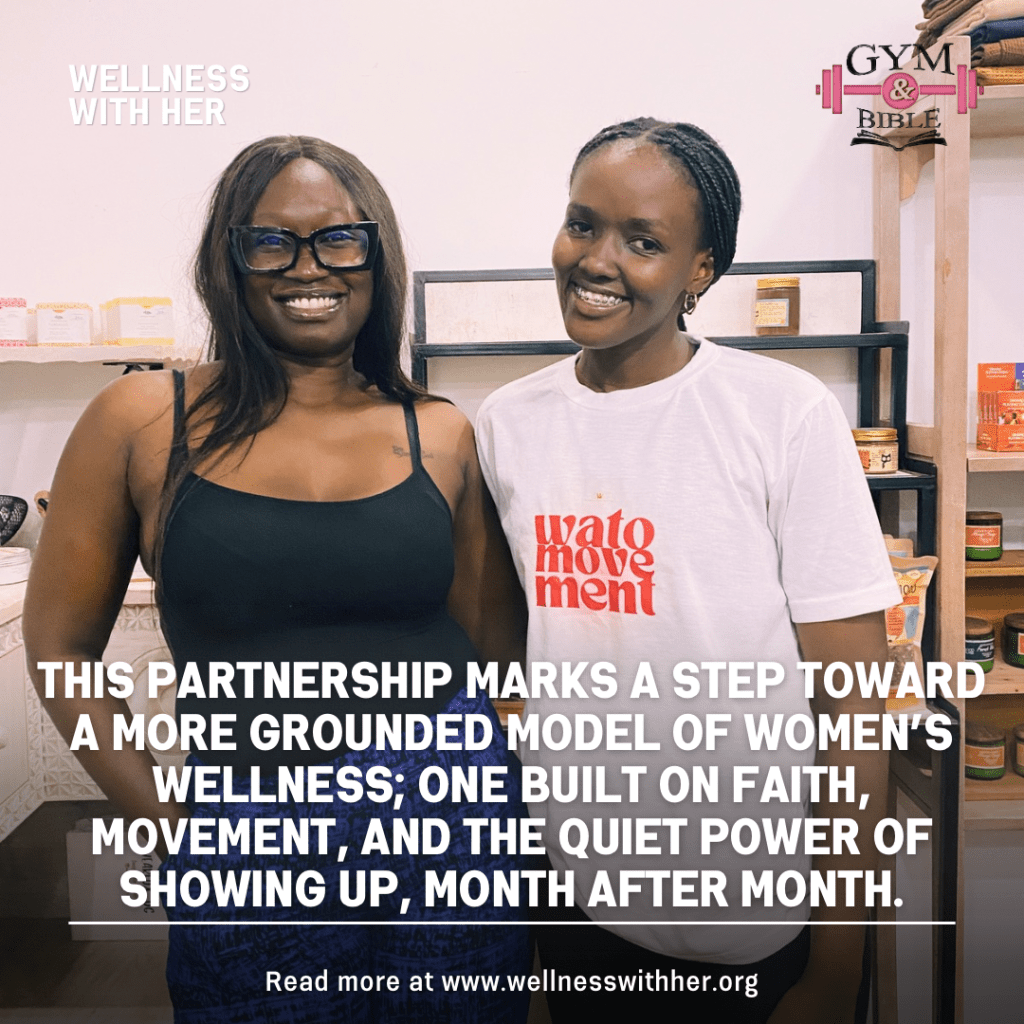

 Wellness With Her Club
Leave a comment